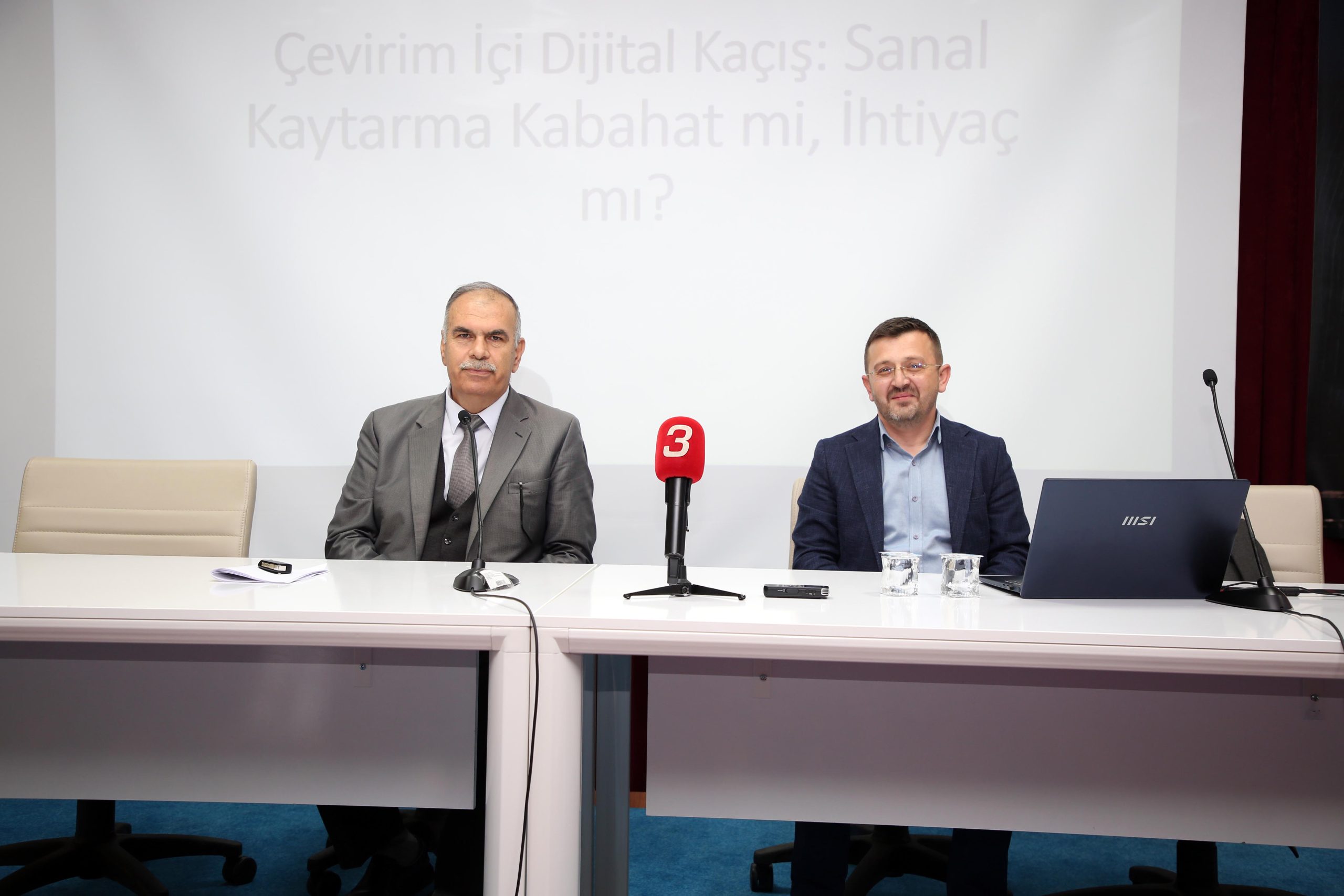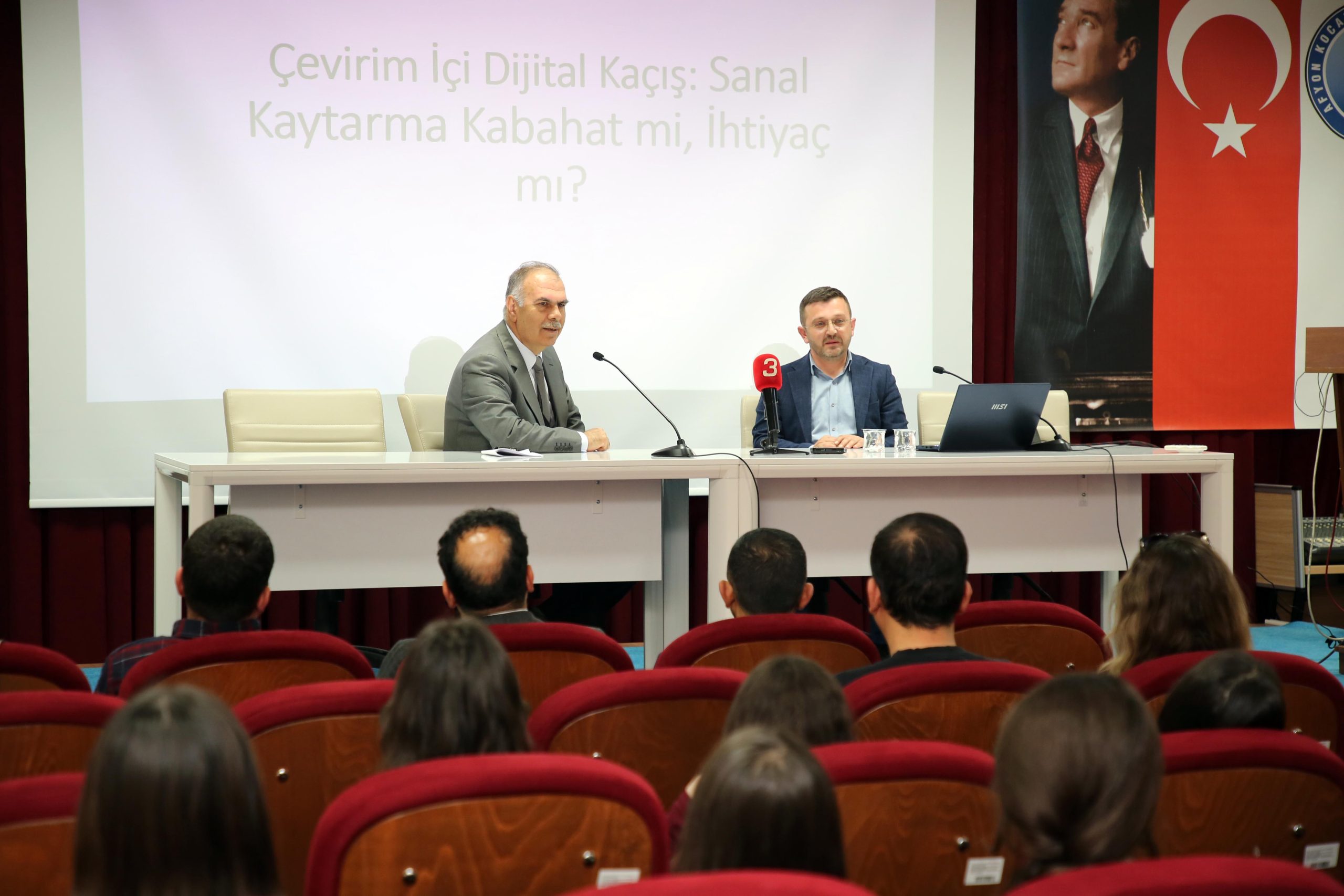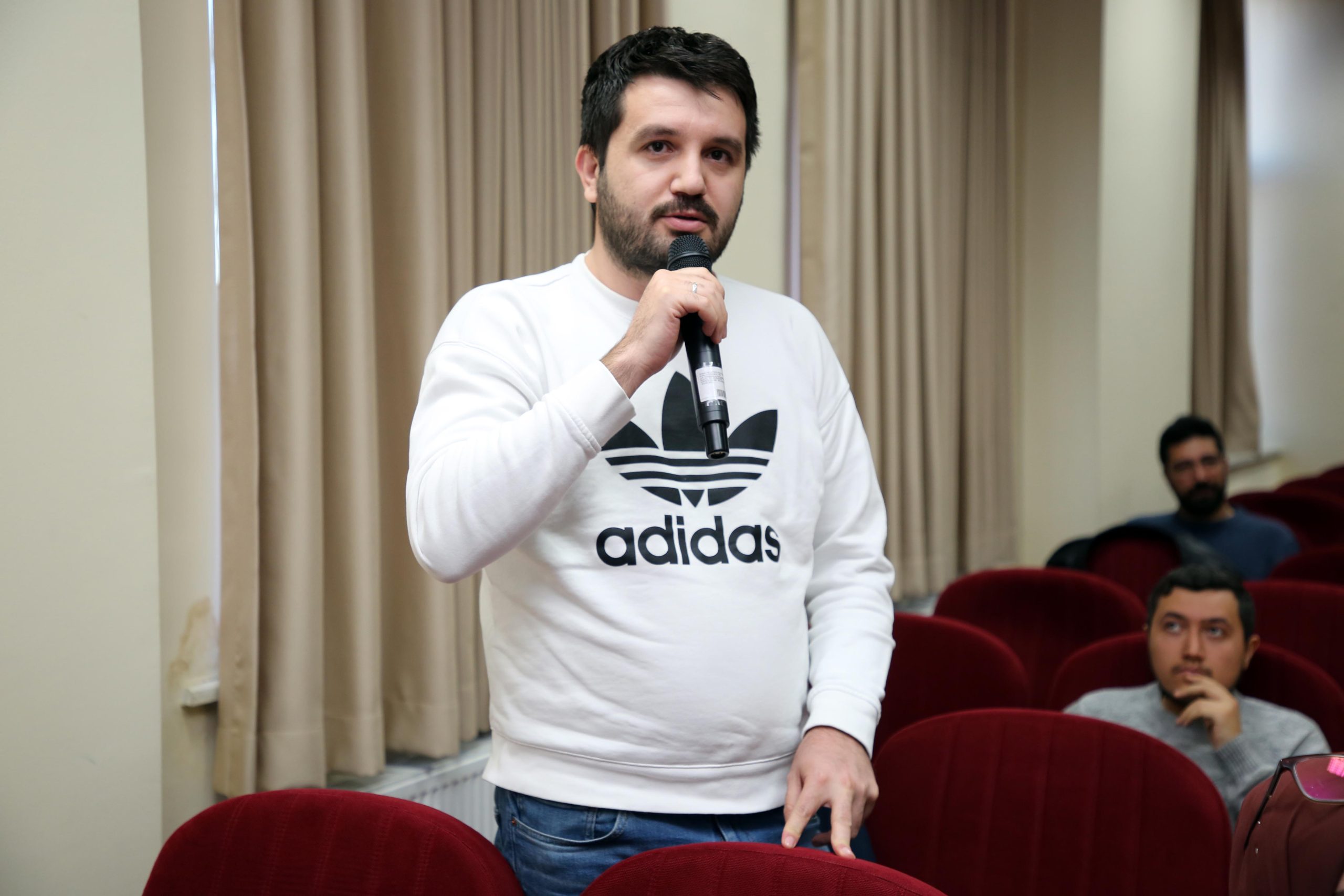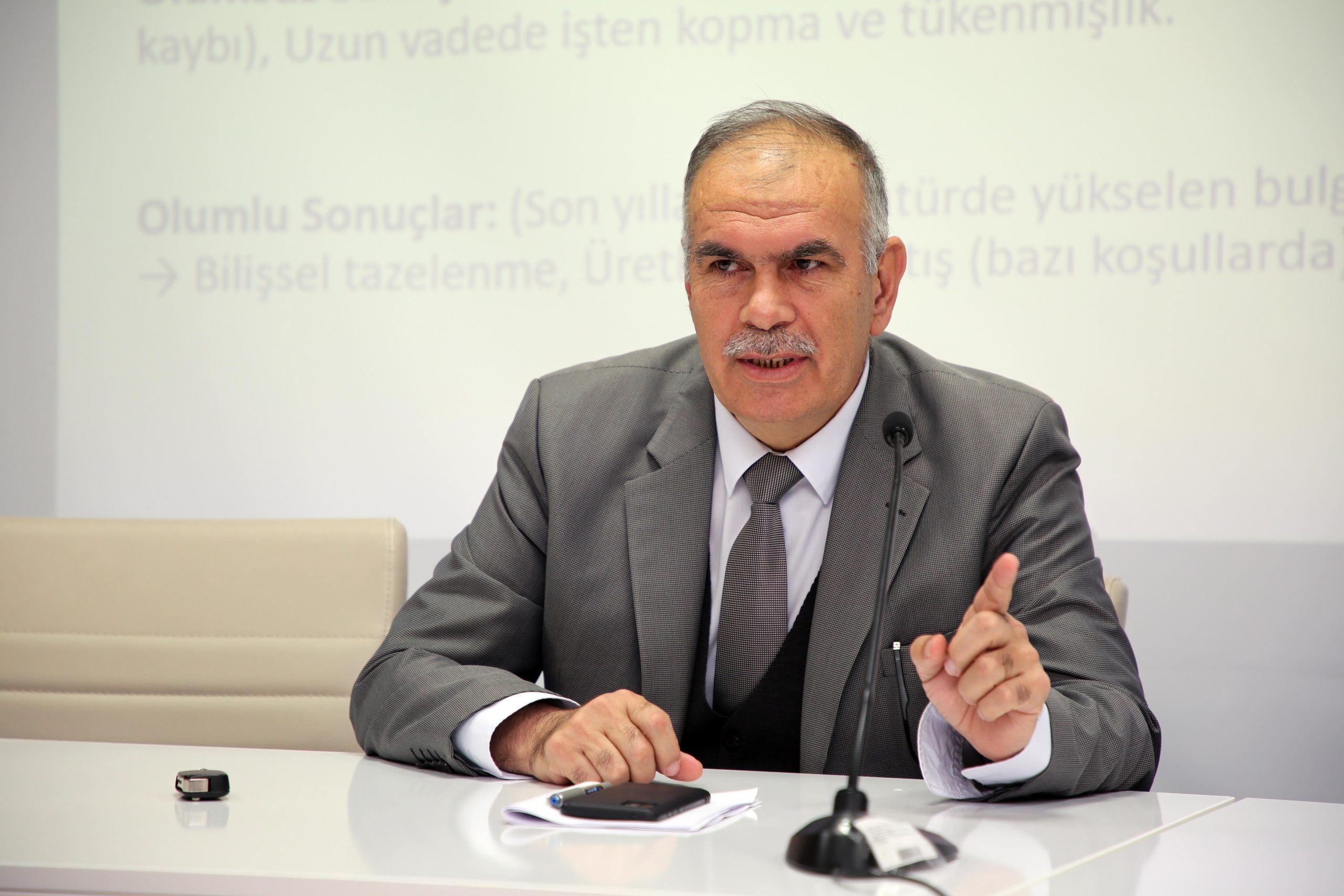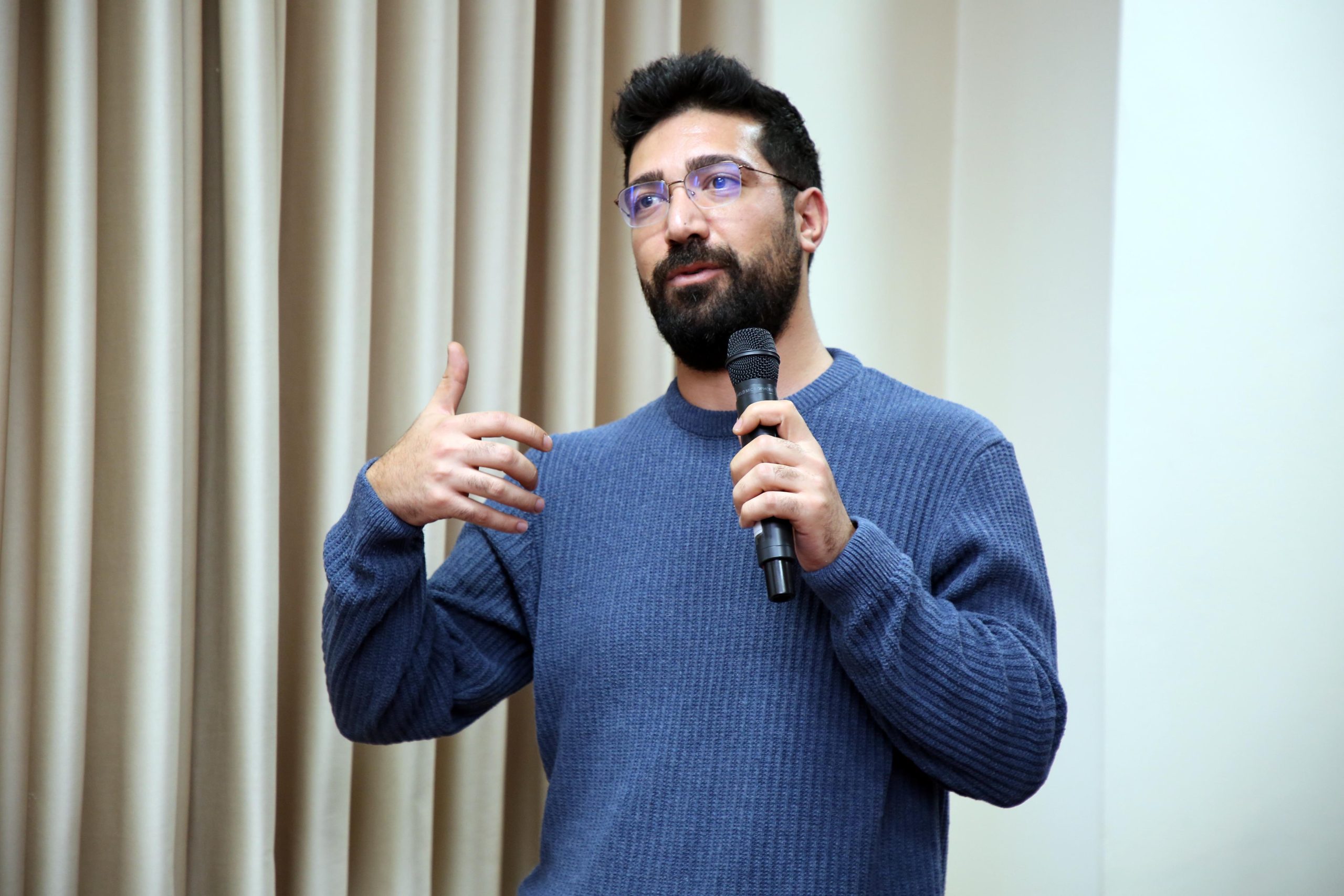


A Science Cafe talk titled “Online Escape While Working: Cyberloafing — Misconduct or Necessity?” was organized by the Afyon Kocatepe University (AKU) Science Communication Coordinatorship.
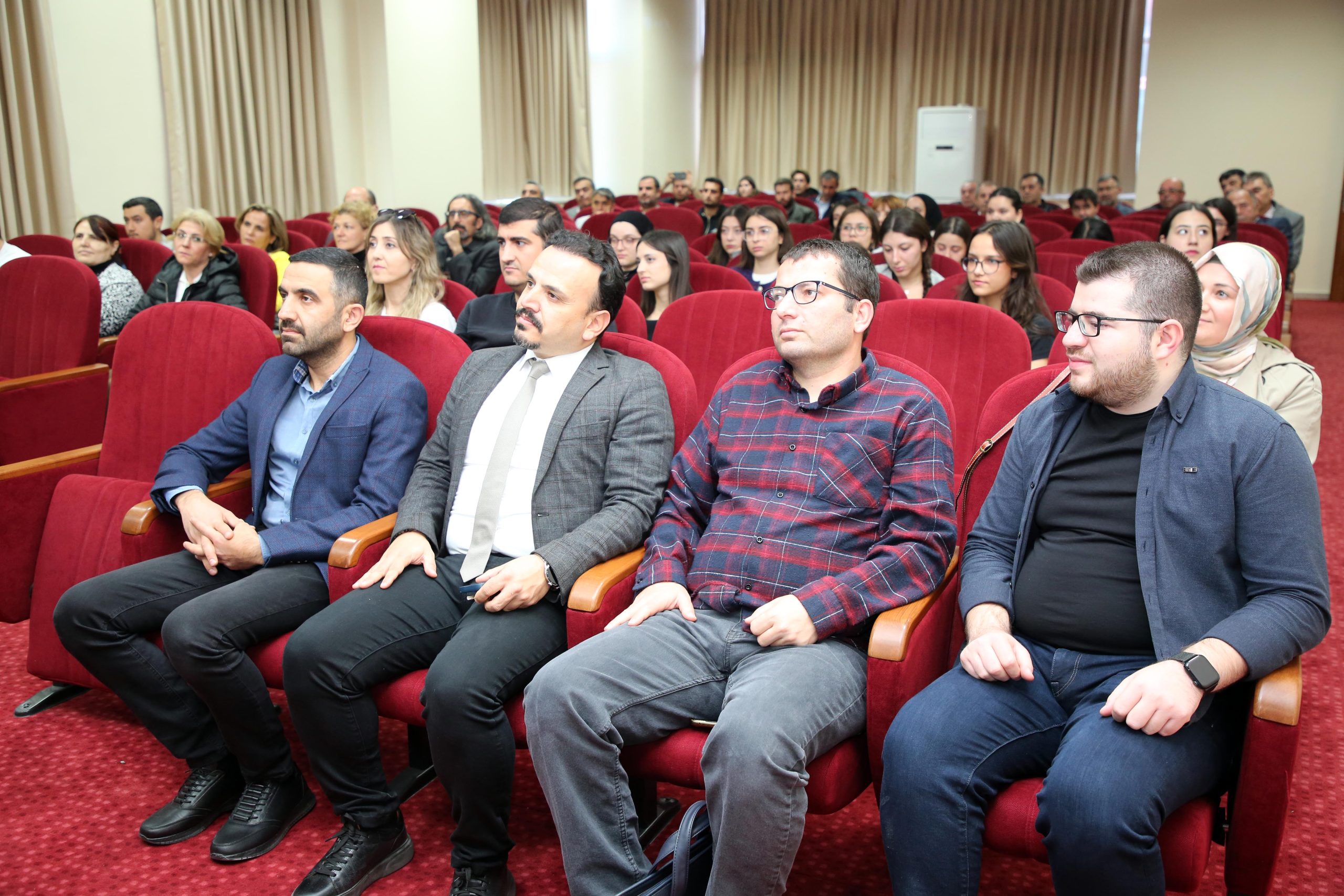
Held at the Prof. Dr. Şehabettin Yiğitbaşı Library Conference Hall, the talk was attended by AKU Vice Rector Prof. Dr. Şuayıp Özdemir, Faculty of Economics and Administrative Sciences (FEAS) Vice Dean Asst. Prof. Dr. Ali Balkı, Head of the Management Information Systems Department Assoc. Prof. Dr. Fatih Özdinç, AKU Deputy Secretary General Mustafa İşbilir, as well as academic and administrative staff and students.
AKU Vice Rector Prof. Dr. Şuayıp Özdemir, who served as the moderator, emphasized that the primary duty of universities is to produce knowledge. He stated that such events are organized to transfer this knowledge to society in a more understandable format. Özdemir noted that the goal is to convey the high-quality work of academics to a broad audience in simple, plain language through both events and social media.
“Cyberloafing has a dual structure”
Social Sciences Institute Vice Director and Department Faculty Member Assoc. Prof. Dr. Osman Uslu stated that the concept of cyberloafing possesses a dual structure comprising both positive and negative aspects. Noting that the concept first appeared in the literature in 2002, Uslu said, “Cyberloafing refers to online activities performed outside of work duties within the work environment during business hours.”
Uslu reported that the concept of “student cyberloafing” has entered the literature in the last three years, explaining that students turning to social content during lectures—despite their responsibility to listen and receive education—is evaluated within this scope. Explaining that cyberloafing is divided into two groups in the literature as “minor” and “serious,” Uslu stated that minor cyberloafing covers stress-reducing behaviors such as briefly checking a phone or using social media for a few minutes, whereas serious cyberloafing involves long-duration activities that disrupt workflow and decrease performance. Emphasizing that the dosage is critical, Uslu assessed, “If it refreshes the person’s mind and increases efficiency, it is positive; if it creates a cost for the organization, it yields negative results.”
“Cyberloafing: A method for coping with stress”
Sharing the prominent theories in his study, Uslu stated that the Conservation of Resources Theory evaluates cyberloafing as a coping mechanism against work stress, while the Social Exchange Theory suggests that cyberloafing behavior emerges as a reaction when injustice is perceived in the effort–reward balance.
Stating that according to Social Learning Theory, employees develop similar attitudes by modeling the behaviors in their environment, Uslu said, “When our colleagues or managers exhibit cyberloafing behavior, we may take this as an example. Especially when a manager displays this behavior, it creates a stronger modeling effect on employees.” Emphasizing that findings show applying pressure on employees is not the correct method, Uslu noted that an increase in cyberloafing behavior is observed when deterrent measures are absent.
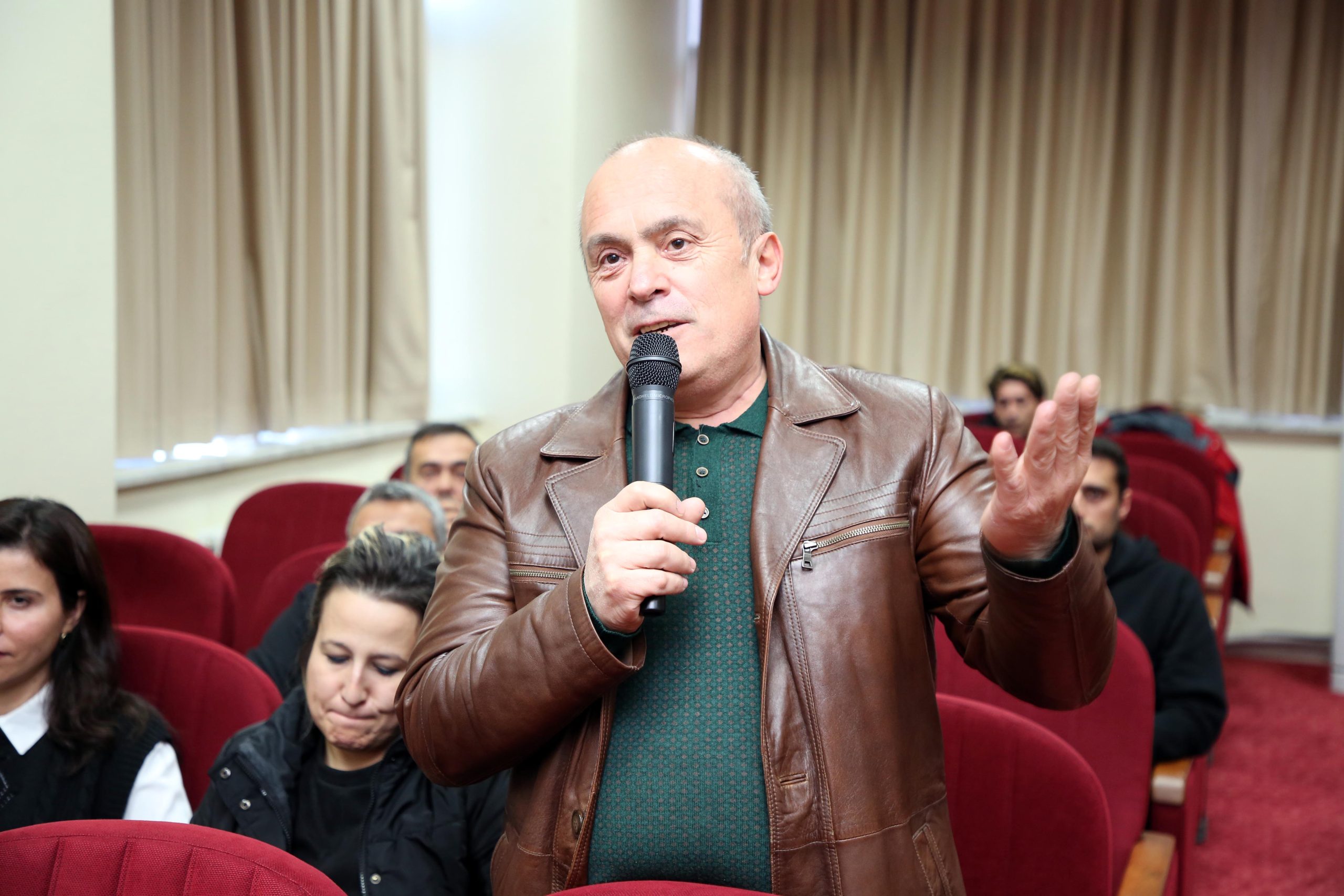
The talk concluded following a question-and-answer session.